
Church Visitor Follow-Up Strategy: Keep Christmas Eve Guests Coming Back
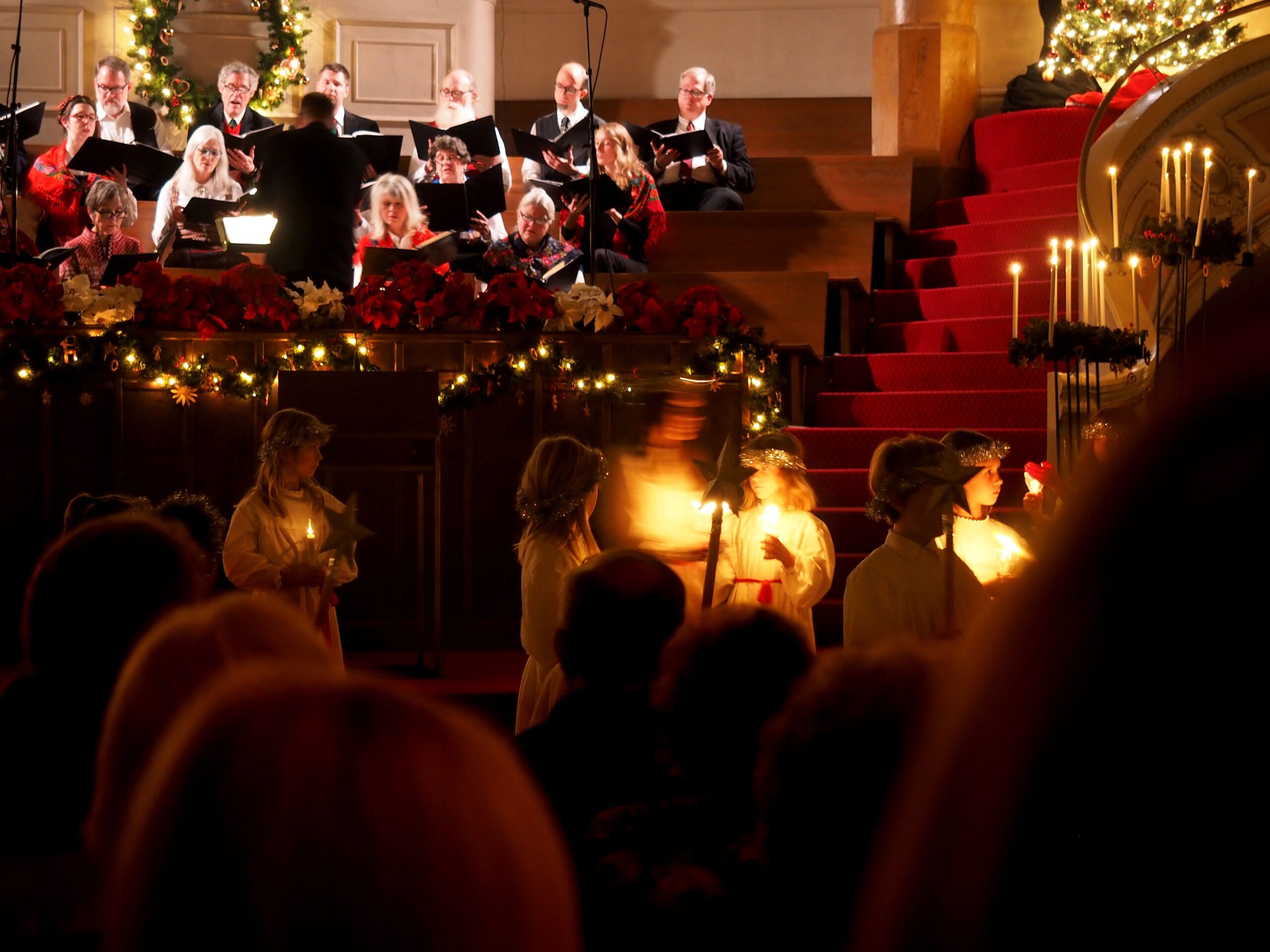
It's 7:40 on Christmas Eve. The last verse of "Silent Night" fades, the candles go out, and a family of four you've never met slips out the side door. On the way, Mom drops a connection card in the basket. In the margin she wrote: "first time in a long time."
Where does that card go next?
For a lot of churches, the honest answer is a basket, then a stack, then January. Every ounce of energy goes into the service itself, and the church visitor follow-up strategy is "someone will reach out." Then Christmas week happens, staff take a well-earned break, and by the time anyone calls, the moment has passed.
In October we wrote about why smart churches start planning Christmas Eve early. This is the part that comes after the benediction: a simple follow-up plan that a stretched staff can actually run.

Guests Don't Leave Because of the Sermon
Most first-time guests don't decide against coming back. They just never get a reason to. Silence feels like indifference, even when it's really a tired team and a stack of cards on someone's desk.
The fix isn't a bigger staff. It's deciding before December 24 who does what, and when.
Four-Step Follow-Up Plan for Christmas Eve Guests
Step 1: Make connecting easy before they leave (Christmas Eve)
Give guests one simple way to say "I was here." A card works. A QR code on a table by the door works even better, because nobody has to find a pen. Point it to a short form: name, the best way to reach them, and one optional question like "Anything we can pray about?" Then ask permission. Add a simple checkbox like “Yes, it’s OK to text or email me,” and only follow up with the people who check it. A guest who came back for the first time in a long time should feel welcomed, not signed up for something they didn’t ask for.
Thrive Church does this well online. Their Connect With Us form and Next Steps page sit in the footer of every page on their site, so a guest who gets curious on December 26 never has to go looking.
Step 2: Send a personal note within 48 hours (by December 26)
Not a newsletter. A short message that sounds like a person, mentions one real detail and points to one specific thing.
"Sarah, it was great to meet you and the kids on Christmas Eve. We're kicking off a new series on January 3, and the kids' area will be in full swing. Hope we see you there. - Pastor Mike"
Under 100 words. Signed by a real name. Christmas Eve falls on a Thursday this year, so Saturday the 26th is a natural day to send them.
Step 3: Invite them back for a specific Sunday (first week of January)
"Come back anytime" is easy to ignore. "We're starting a new series on Sunday, January 3" is a date they can put on the calendar. Send a reminder text the Friday before with service times and where to park.
Before you send it, check that your website answers the same questions. If a guest clicks through and can't find service times in five seconds, the invite stalls. We wrote about how websites quietly lose people, and it applies to church sites just as much.
Step 4: Offer one real next step (mid-January)
By the second or third visit, invite them into something smaller than Sunday morning: coffee with the pastor, a small group, a serve team. Thrive calls theirs Circles. That's where a guest starts becoming family.
One more thing: before Christmas Eve, put a name next to every step. One person owns the cards. One person sends the notes. One person sends the January reminder. If a step doesn't have a name, it won't happen.

Where AI Helps (and Where It Shouldn't)
AI won't replace a warm handshake, and it shouldn't try. But automating church visitor follow-up doesn't have to mean a robotic welcome. Used well, AI tools for church communication carry the weight that buries church staff in late December, so your people can be present with the people in front of them.
Where it helps:
- Drafting personal notes from the basics on the connection card (name, family, which service they attended), so 80 follow-ups take an afternoon instead of a week. Your team still reads every one before it goes out.
- Answering the 11pm questions guests are too shy to ask in person: What time is the service? Is there something for my kids? What should I wear? A church chatbot for your website can answer those in your voice, any hour.
- Routing a real need to a real person, fast.
Where it shouldn't go:
- Seeing prayer requests at all. Those go straight to a pastor or prayer team, never into an AI tool or a drafted note.
- Sending anything nobody on your team has read
- Pretending to be a person
That's exactly how we built Bonfire. It's trained on your church's own content, answers in your voice and hands the conversation to your team when someone needs a human. Not using any AI yet? The Bonfire team put together 10 practical ways to use AI for a more impactful Christmas, including a three-visit plan from Christmas to January you can copy this week. And if you're still working out where the lines are, their post on AI guardrails for ministry is a good place to start.
If You Only Do Three Things
- Put a QR code by the door that goes to a short connect form.
- Send a personal note by December 26 only to guests who opted in to follow-up.
- Invite those opted-in guests to one specific Sunday in January, then remind them the Friday before.
That's a church visitor follow-up strategy a team of two can run. And it's the difference between a full room on Christmas Eve and a few new families still showing up in February.
Christmas is the invitation. January is where the relationship starts.
If you're a church leader trying to reach more people without burning out your staff, that's exactly why we built Bonfire. See how it works.